
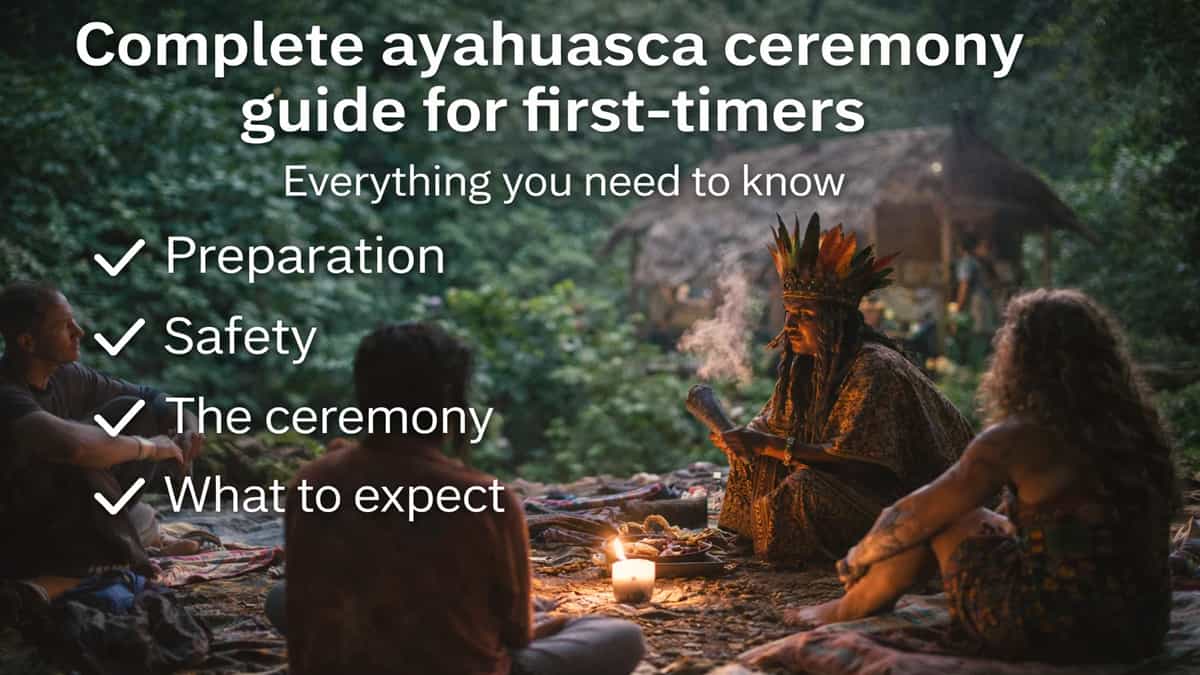
Everything you need to know before your first ayahuasca ceremony – from someone who’s been there
Before my first ayahuasca ceremony, I spent days obsessively researching what actually happens during an ayahuasca ceremony. I read dozens of articles, watched countless videos, and still felt terrified. Looking back now, after experiencing multiple ceremonies across different countries, I understand why I was scared—and what I wish someone had told me.
This is the complete guide I wish I’d had: honest, practical, and based on real experience rather than spiritual platitudes or overhyped marketing. Whether you just watched “How to Change Your Mind” on Netflix or you’ve been researching for months, this guide will help you understand what you’re getting into and how to prepare properly for your first ayahuasca ceremony.
I’ll share what actually happens during ceremony, what preparation really means (spoiler: it’s more than just diet), how to choose a safe retreat, and the honest truth about whether ayahuasca is right for you.
⚠️ Before We Begin: Ayahuasca is not for everyone. It can be dangerous if you take certain medications or have specific health conditions. This guide is informational only—always consult a doctor before considering ayahuasca. If you’re looking for a recreational experience or quick fix, ayahuasca is not it.
📑 What’s in This Guide:
- What Is Ayahuasca? (Simple Explanation)
- Is Ayahuasca Right for You?
- What to Expect During an Ayahuasca Ceremony
- Medical Contraindications & Safety
- How to Choose Your First Retreat
- How to Prepare (Diet, Mental, Physical)
- How Much Does It Cost?
- After the Ceremony: Integration
- My First Ayahuasca Experience
- Frequently Asked Questions
🌿 What Is Ayahuasca? (Simple Explanation)
Ayahuasca is a plant medicine brew traditionally used by indigenous communities in the Amazon rainforest for thousands of years. It’s made from two plants: the Banisteriopsis caapi vine and the Psychotria viridis leaf (which contains DMT, the psychoactive compound).
When these plants are combined and brewed together, they create a powerful medicine that produces intense visions, emotional release, physical purging (vomiting is common and considered part of the healing), and profound introspection. The experience typically lasts 4-6 hours.
How Does Ayahuasca Work?
Without getting too technical: DMT (dimethyltryptamine) is the compound that creates the visionary experience. Normally, if you consume DMT orally, your stomach breaks it down before it reaches your brain. The Banisteriopsis caapi vine contains MAOIs (monoamine oxidase inhibitors) that prevent this breakdown, allowing the DMT to reach your brain and create the ayahuasca experience.
This is why the ayahuasca diet is so important—certain foods and medications interact dangerously with MAOIs and can cause serious health problems or even death.
What Does Science Say?
Research from institutions like Johns Hopkins and Imperial College London shows that ayahuasca:
- Temporarily disrupts the brain’s “default mode network” (responsible for ego and self-identity)
- Creates enhanced neuroplasticity (ability to form new neural pathways)
- Shows promise for treating depression, PTSD, and addiction
- Can produce lasting positive changes in mood and outlook
💡 Key Point: Ayahuasca is not a recreational drug. It’s powerful medicine used in ceremonial contexts for healing, self-discovery, and spiritual growth. The experience is often challenging, not pleasurable.
🤔 Is Ayahuasca Right for You?
This is the most important question to answer before booking a retreat. Ayahuasca isn’t for everyone, and that’s okay.
✅ Ayahuasca May Be Right for You If:
- You’re struggling with depression, anxiety, PTSD, or addiction that traditional treatments haven’t helped
- You’re willing to do the work of preparation and integration (this isn’t passive healing)
- You’re seeking deep self-understanding and willing to confront difficult emotions
- You’re medically cleared (more on this below)
- You’re approaching it with respect for the medicine and indigenous traditions
- You’re committed to finding a safe, reputable retreat with experienced facilitators
❌ Ayahuasca Is NOT Right for You If:
- You’re looking for a fun, recreational experience (this will not be fun)
- You take SSRIs, MAOIs, or other contraindicated medications (can be life-threatening)
- You have certain heart conditions or high blood pressure
- You have severe mental health issues like schizophrenia or bipolar disorder
- You’re pregnant or breastfeeding
- You’re unwilling to follow preparation protocols (diet, substance abstinence)
- You’re expecting instant, magical healing without doing integration work
🚨 Critical: If you’re currently taking antidepressants (SSRIs, MAOIs), heart medication, or stimulants, do NOT attempt ayahuasca without medical supervision. The combination can cause serotonin syndrome, which can be fatal. Consult a doctor first.
⏰ What to Expect During an Ayahuasca Ceremony: Complete Timeline
Every ceremony is different, and everyone’s experience is unique. But here’s a general timeline of what typically happens during an ayahuasca ceremony:
Before the Ceremony (Days 1-2 at Retreat)
Good retreats include 2+ days of preparation before your first ceremony. This is when you’ll:
- Meet your facilitator and other participants
- Set your intentions (why are you here? what do you hope to heal?)
- Learn about the medicine and what to expect
- Complete medical screening
- Prepare mentally and emotionally
💡 My Experience: Having two full days of preparation before my first ceremony with Isabella made all the difference. We spent hours setting intentions, building trust, and understanding what to expect. You don’t want to walk into a ceremony cold—this preparation time is essential.
The Ceremony (Evening, 4-6 Hours)
6:00 PM – Gathering
Participants gather in the ceremony space. You’ll have a mat, blanket, and bucket (for purging). The facilitator creates sacred space, often with prayers, songs, or rituals. The atmosphere is reverent, not casual.
7:00 PM – Drinking the Medicine
Each person approaches the facilitator one by one to drink ayahuasca. The taste is bitter, earthy, and unpleasant. You drink a small cup (usually 30-100ml). The facilitator may say a prayer or blessing over you. Then you return to your mat and wait.
7:30-8:00 PM – Onset
Effects begin 30-60 minutes after drinking. You might feel nausea, body temperature changes, emotional waves. The facilitator often sings icaros (healing songs). The room may go dark. This is when the journey begins.
8:00 PM – 12:00 AM – Peak Experience
This is when the medicine works. What you might experience:
- Visions: Geometric patterns, jungle scenes, entities, memories, symbolic imagery
- Purging: Vomiting is common (into your bucket). This is considered release and healing, not sickness
- Emotional release: Crying, laughter, processing trauma
- Physical sensations: Body temperature shifts, tingling, energy movements
- Insights: Understanding about your life, relationships, patterns, purpose
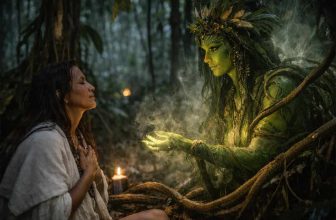
- Encountering “Mother Ayahuasca”: Many describe feeling guided by an intelligent presence — I’ve written separately about who Mother Ayahuasca is in indigenous tradition
12:00-1:00 AM – Coming Down
Effects gradually diminish. You may feel exhausted, peaceful, raw, or emotionally tender. The facilitator helps close the ceremony. Some people share their experiences, others prefer silence.
After – Rest and Integration
You return to your room. Sleep may be difficult. The next day is often for rest, reflection, and integration. Good facilitators provide support during this time.
What Does It Actually Feel Like?
I’m going to be honest: it’s difficult. The first 30-60 minutes can be intensely uncomfortable—nausea, anxiety, fear, physical discomfort. The peak can be overwhelming, confronting, and sometimes terrifying. You might face your deepest fears, traumas, or shadows.
But it can also be profoundly beautiful, healing, and transformative. Many people describe it as the most meaningful experience of their lives. The medicine seems to show you exactly what you need to see—not always what you want to see.
📌 Important: You won’t be “out of control” or unconscious. You’ll be aware of what’s happening. You can open your eyes, move, use the bathroom. But you’ll be deeply internal, processing, and experiencing the medicine’s teachings.
⚕️ Medical Contraindications & Safety
This is the most critical section of this guide. Ayahuasca can be dangerous or fatal if you have certain medical conditions or take certain medications.
🚫 Medications That Are DANGEROUS with Ayahuasca:
DO NOT drink ayahuasca if you take:
- SSRIs (Prozac, Zoloft, Lexapro, Paxil, Celexa) – Risk of serotonin syndrome
- MAOIs (Nardil, Parnate, Marplan) – Dangerous interaction
- Other antidepressants (Wellbutrin, Effexor, Cymbalta)
- Stimulants (Adderall, Ritalin, cocaine, MDMA)
- Opioids (prescription painkillers, tramadol)
- Blood pressure medication
- Heart medication
- St. John’s Wort or 5-HTP
How Long Should You Stop Medications Before Ayahuasca?
DO NOT stop medications without medical supervision. Different medications require different washout periods:
- SSRIs: Minimum 4-6 weeks, ideally under doctor supervision
- Prozac (fluoxetine): 6-8 weeks (longer half-life)
- MAOIs: Minimum 4-6 weeks
- Cannabis: At least 2 weeks before ceremony
🚨 CRITICAL: Work with your doctor to safely taper off medications. Suddenly stopping antidepressants can cause withdrawal and worsen your condition. Any legitimate retreat will require detailed medical screening and may refuse to serve you if you’re not safely clear of medications.
🚫 Medical Conditions That Are High-Risk:
- Heart conditions (ayahuasca raises blood pressure and heart rate)
- High blood pressure
- Schizophrenia or psychosis
- Severe bipolar disorder
- Epilepsy or seizure disorders
- Pregnancy or breastfeeding
- Recent surgery (within 3-6 months)
✅ How to Know if You’re Medically Safe:
- Consult your doctor: Tell them you’re considering ayahuasca and ask about contraindications
- Complete retreat medical screening: Legitimate retreats WILL require this
- Be 100% honest: Don’t hide medications or conditions—your life depends on it
- Get ECG if over 40: Some retreats require heart screening for older participants
🏕️ How to Choose Your First Retreat
This is THE most important decision you’ll make. The quality of your facilitator and retreat center matters more than location, price, or “authenticity.”
A good facilitator like Isabella can create a safe container for profound healing. A bad facilitator can cause serious psychological or physical harm. Here’s how to tell the difference:
✅ GREEN FLAGS (Good Retreat Indicators):
1. Small Group Size (6-12 people maximum)
Facilitators can only provide proper attention to a limited number of people. My first ceremony had 6 people—Isabella could attend to each of us individually throughout the night. If a retreat has 20-30+ people, that’s a red flag.
2. Experienced Facilitator (10+ years minimum)
Ask about their training, lineage, and experience. How long have they been working with ayahuasca? Who trained them? Isabella had 15+ years of experience and deeply understood how to hold space safely.
3. Thorough Medical Screening Required
They should ask detailed questions about medications, health conditions, and mental health history. If they don’t ask, don’t go. Period.
4. 2+ Days of Preparation Before First Ceremony
You shouldn’t walk into a ceremony cold. Proper preparation time for intention-setting, trust-building, and understanding what to expect is essential.
5. Integration Support After Ceremony
The work doesn’t end when the ceremony ends. Good facilitators provide integration support—whether through follow-up sessions, check-ins, or resources.
6. Emergency Protocols in Place
Ask what happens if there’s a medical emergency. Do they have medical personnel? Is there a hospital nearby? What’s the plan if someone has a severe adverse reaction?
7. Transparent About Costs and Expectations
No hidden fees. Clear about what’s included (accommodation, meals, ceremonies, integration). Realistic about what ayahuasca can and can’t do.
🚩 RED FLAGS (Avoid These Retreats):
1. Large Groups (20-30+ people)
One facilitator cannot properly attend to 30 people having profound experiences simultaneously. This is about profit, not healing.
2. No Medical Screening
If they don’t ask about your medications and health conditions, they don’t care about your safety. This is a massive red flag—walk away.
3. Promises of “Guaranteed Results”
“Guaranteed enlightenment,” “instant healing,” “cure your depression in one ceremony” — ayahuasca doesn’t work that way. These are predatory marketing tactics.
4. Sexual Misconduct or Boundary Violations
Any facilitator who engages in sexual contact with participants or crosses professional boundaries is predatory. This is never acceptable, regardless of spiritual justifications.
5. Pressure to Book Quickly
“Limited spots available!” “Book now or miss out!” This is manipulation. Good retreats don’t need high-pressure sales tactics.
6. No Preparation or Integration
Ceremony starts immediately upon arrival with no preparation time. No integration support afterward. This is irresponsible and potentially harmful.
Where Should You Go for Your First Retreat?
For first-timers, I recommend prioritizing safety and comfort over “authenticity”:
- Spain/Europe: English-speaking facilitators, modern safety protocols, closer to home, professional management
- Costa Rica: Good balance of accessibility and traditional ceremony
- Peru: More traditional, indigenous-led ceremonies, but requires more cultural preparation
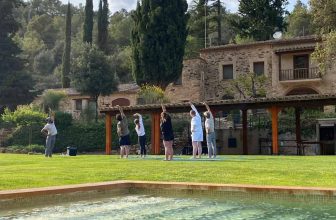
I chose Alcover, Spain for my first ceremony because I prioritized feeling safe and understood over having the “most authentic” experience. I’m grateful I made that choice.
🥗 How to Prepare for Your First Ayahuasca Ceremony
Proper preparation is critical for both safety and the quality of your experience. This includes physical, mental, and spiritual preparation.
The Ayahuasca Diet (2 Weeks Before Ceremony)
The ayahuasca diet (also called “dieta”) is not optional. Because ayahuasca contains MAOIs, certain foods can cause dangerous interactions. Additionally, the diet helps prepare your body and mind for the medicine.
✅ ALLOWED Foods:
- Fresh fruits and vegetables
- Rice, quinoa, oats
- Eggs (in moderation)
- Fresh fish (not fermented or aged)
- Chicken (plain, not processed)
- Nuts and seeds (unsalted)
- Herbal teas (non-caffeinated)
- Water, coconut water
🚫 AVOID These Foods:
- Red meat and pork
- Aged cheese (can cause tyramine reaction)
- Fermented foods (sauerkraut, kimchi, miso)
- Processed foods (anything packaged)
- Sugar and artificial sweeteners
- Spicy foods
- Alcohol (minimum 2 weeks before, ideally 1 month)
- Caffeine (coffee, tea, energy drinks)
- Chocolate
- Soy products
- Nutritional yeast
Substance Abstinence
In addition to diet, you should abstain from:
- Alcohol: Minimum 2 weeks before (ideally 4 weeks)
- Cannabis: Minimum 2 weeks before
- Other drugs: Minimum 4-6 weeks
- Sexual activity: Many traditions recommend abstinence 3-7 days before
Mental and Emotional Preparation
Preparing your mind is just as important as preparing your body:
- Set clear intentions: Why are you seeking ayahuasca? What do you hope to heal or understand?
- Educate yourself: Read about ayahuasca, watch documentaries, understand what to expect
- Practice meditation: Even 10 minutes daily helps prepare your mind for introspection
- Journal: Write about your intentions, fears, and hopes
- Prepare support: Tell trusted friends/family, arrange for post-ceremony support
What to Bring to Your Retreat
- Comfortable, loose clothing (layers for temperature changes)
- Journal and pen
- Water bottle
- Headlamp or small flashlight
- Eye mask (optional, for sleeping)
- Any prescription medications (cleared with retreat first)
- Open mind and willingness to surrender
💰 How Much Does an Ayahuasca Ceremony Cost?
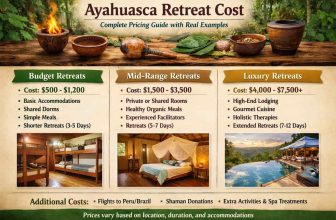
Legitimate ayahuasca retreats typically cost $800-$4,000 depending on location, duration, and accommodations. For a complete breakdown of pricing tiers and what’s actually included, see my detailed guide on how much an ayahuasca retreat really costs in 2026.
Typical Price Ranges:
Spain/Europe: $1,200-$2,500
Higher cost but includes professional facilities, English-speaking facilitators, and easier logistics. My first retreat in Alcover, Spain cost approximately €1,400 for a week including 2 ceremonies, accommodation, all meals, and integration support.
Peru/South America: $800-$2,000
Lower costs due to location, but travel expenses can add up. Traditional indigenous ceremonies may be less expensive but require more cultural preparation.
Costa Rica: $1,000-$2,500
Good balance between accessibility and traditional ceremony. English commonly spoken.
What’s Usually Included:
- 2-4 ayahuasca ceremonies
- Accommodation (shared or private room)
- All meals (following ayahuasca diet)
- Preparation sessions
- Integration support
- Facilitator guidance
💡 Price vs Safety: Extremely cheap retreats ($300-500) often compromise on facilitator quality, group size, or safety protocols. Extremely expensive retreats ($5,000+) may be overpriced luxury experiences. Look for the sweet spot: professional, safe, with reasonable pricing.
🌱 After Your Ayahuasca Ceremony: Integration is Where the Real Work Begins
The ceremony is not the healing—it’s the beginning. I’ve written a complete honest guide to ayahuasca integration after six retreats that goes much deeper than this section. Integration is the process of taking insights from your ayahuasca experience and applying them to your daily life.
Many people have profound realizations during ceremony, then return to normal life and nothing changes. Why? Because they didn’t do the integration work.
What Is Integration?
Integration means:
- Processing what you experienced
- Understanding the insights and messages
- Making actual changes in your life based on what you learned
- Working through difficult emotions or revelations that came up
- Building new habits and patterns to replace old ones
How to Integrate After Your First Ceremony:
- Rest: Take 2-3 days off work after returning. Your nervous system needs time to recalibrate.
- Journal extensively: Write everything you remember. Insights fade over time.
- Talk to your integration therapist: If your retreat provides this, use it. If not, find a therapist experienced with psychedelic integration.
- Avoid major decisions immediately: Wait at least 2 weeks before making big life changes based on ceremony insights.
- Stay on the diet: Continue following ayahuasca diet for 3-7 days after ceremony.
- Create accountability: Share your intentions with trusted friends or therapist.
- Take actionable steps: If you realized you need to change a relationship, job, or habit—start taking small, concrete steps.
💡 My Experience: The ceremony showed me I needed to address my alcohol addiction. But I still needed months of therapy, daily commitment, and support to actually make the change. Ayahuasca opened the door—I had to walk through it.
🌿 My First Ayahuasca Experience: What Actually Happened
In early 2023, after watching “How to Change Your Mind” on Netflix, I booked my first ayahuasca retreat in Alcover, Spain. I’d been struggling with alcohol addiction for 30 years and had tried everything else. The full story of how I got there is in my personal ayahuasca journey from 30 years of addiction to freedom.
Why I Chose Spain
I prioritized safety over authenticity:
- Closer to home (less travel stress)
- English-speaking facilitators
- Modern safety protocols
- Professional retreat management
Meeting Isabella
My facilitator was a woman named Isabella who’d been working with ayahuasca for over 15 years. The retreat was small—just 6 people. Before the ceremony, we spent two full days in preparation: setting intentions, learning about the medicine, building trust with Isabella and each other.
Those two days made all the difference. I wasn’t walking into ceremony cold or scared. I felt prepared, held, and safe.
The Ceremony Itself
I won’t share the details of my visions or personal insights—those feel sacred and private. But I will say:
- It was difficult. Much harder than I expected.
- The purging was intense but not as bad as I feared.
- I confronted things about myself I’d been avoiding for decades.
- Isabella was attentive, caring, and present throughout the entire night.
- Something fundamental shifted inside me.
What Happened After
The ceremony wasn’t a magic cure for my addiction. But it showed me clearly—more clearly than 30 years of struggle—that I could be free. That I deserved to be free. That the pattern could be broken.
I still needed therapy, support, and daily commitment. But ayahuasca opened a door I’d been standing in front of my whole life.
❓ Frequently Asked Questions About Ayahuasca Ceremonies
Q: What happens during an ayahuasca ceremony?
A: An ayahuasca ceremony typically lasts 4-6 hours and includes: gathering in ceremony space, drinking the ayahuasca brew, onset of effects (30-60 minutes), peak experience with visions and purging (2-4 hours), and gradual comedown. The ceremony is guided by a facilitator who sings icaros (healing songs) and provides support throughout. Most ceremonies begin in the evening and end around midnight.
Q: Will I be safe during my first ayahuasca ceremony?
A: If you choose a reputable retreat with experienced facilitators, proper medical screening, small group size, and emergency protocols—yes, ayahuasca is relatively safe. The most common risks come from choosing poorly run retreats or not disclosing medical conditions/medications. Always prioritize safety over price or “authenticity.”
Q: How long does an ayahuasca ceremony last?
A: Ayahuasca ceremonies typically last 4-6 hours from the time you drink the medicine until effects fully wear off. Peak effects occur 1-3 hours after drinking. Plan for the entire evening—ceremonies usually start around 7pm and end around midnight or 1am.
Q: Will I definitely purge (vomit) during ceremony?
A: Most people purge at some point, but not everyone. Purging can include vomiting, diarrhea, crying, shaking, or yawning—it’s considered release and healing. Having a bucket ready is standard. If you purge, it’s actually a positive sign the medicine is working. The nausea typically passes after purging.
Q: What if I’m scared during the ceremony?
A: Fear is common and normal. Good facilitators are trained to help you through difficult moments. Remember: surrender to the experience rather than fighting it. The fear often transforms into insight or release. You can always ask for support from the facilitator—that’s what they’re there for.
Q: Can I take my phone into ceremony?
A: Most retreats don’t allow phones or electronics during ceremony. The point is to be fully present with the experience, not distracted. Some retreats may have a phone basket where you store devices during ceremony. This is for your benefit—trust the process.
Q: How many ceremonies should I do as a first-timer?
A: Most first-timer retreats include 2-3 ceremonies over a week. This allows you to go deeper with each ceremony. Your first ceremony is often about meeting the medicine; subsequent ceremonies build on that foundation. I recommend at least 2 ceremonies for your first retreat.
Q: What should I wear to an ayahuasca ceremony?
A: Wear comfortable, loose clothing in layers. You might get hot or cold during ceremony. White or light-colored clothing is traditional in some ceremonies but not required. Avoid tight, restrictive clothing. Many people wear yoga pants/sweats and a comfortable shirt. Bring a blanket or shawl.
Q: Can I leave the ceremony if it’s too intense?
A: Physically, yes—you can move, walk outside (with support), use the bathroom. But leaving mentally/emotionally by resisting the experience usually makes it harder. The facilitator can help you through difficult moments. The best approach is usually to surrender and trust the process rather than trying to escape.
Q: Will ayahuasca cure my depression/anxiety/addiction?
A: Ayahuasca is not a cure—it’s a tool that can support healing when combined with therapy, lifestyle changes, and integration work. Research shows promise for treating these conditions, but it requires ongoing commitment beyond the ceremony. I experienced profound shifts in my relationship with alcohol, but I still needed therapy and daily work to maintain sobriety.
Q: Should I go alone or with a friend to my first retreat?
A: Both options work. Going alone allows you to focus entirely on your own journey without worrying about others. Going with a trusted friend can provide comfort and support. If going with someone, make sure you both respect that each person’s experience will be different and unique. Don’t compare experiences.
Ready to Begin Your Ayahuasca Journey?
Learn how to choose a safe retreat and prepare properly for your first ceremony
📚 Additional Resources
- 📺 “How to Change Your Mind” Documentary Review
- 🌿 More guides coming soon: Safety Checklist, Ayahuasca Diet, Integration Guide, and Cost Breakdown
💭 Final Thoughts for First-Timers
If you’re reading this, you’re probably scared, curious, hopeful, and uncertain—all at the same time. I was you. I spent days researching, reading experiences, trying to prepare myself for something that can’t fully be explained in words.
Here’s what I wish someone had told me before my first ceremony:
- It will be challenging, and that’s okay. The difficulty is part of the healing.
- Your facilitator matters more than anything else. Spend time finding the right one.
- Preparation time is essential. Don’t rush into ceremony without it.
- Ayahuasca is not a magic cure. It opens doors—you have to walk through them.
- Integration is where the real work happens. The ceremony is just the beginning.
- You don’t need to go to Peru to have an authentic experience. Prioritize safety first.
- Trust the medicine. Even when it’s difficult, especially when it’s difficult.
Ayahuasca isn’t for everyone, and that’s okay. But if you’re being called to this medicine—if you’re struggling with something that traditional methods haven’t helped—trust that feeling. Do your research, find a safe retreat, prepare properly, and take the leap.
The door is there. Whether you walk through it is up to you.
You deserve healing. You deserve freedom. And you don’t have to figure this out alone.
About the Author
After 30 years of alcohol addiction, I found ayahuasca through Netflix’s “How to Change Your Mind” documentary. My first ceremony in Alcover, Spain with facilitator Isabella opened a door to healing I didn’t know existed. I created this guide to help first-timers navigate their journey safely—the resource I wish I’d had when I started.
⚠️ Medical Disclaimer: This guide is for informational purposes only and is based on personal experience. I am not a medical professional, therapist, or addiction counselor. Ayahuasca can be dangerous if you have certain medical conditions or take certain medications. Always consult a qualified healthcare provider before considering ayahuasca. The information in this guide should not be considered medical advice.